Health and Safety Policy for Deep Cleaning Clapham
 This Health and Safety Policy sets out the standards and procedures that support safe, responsible, and well-managed deep cleaning in Clapham. It applies to all cleaning activities carried out in domestic, commercial, and shared environments, with the aim of reducing risk to cleaners, occupants, visitors, and property. The policy is designed to promote safe working practices, consistent supervision, and clear communication at every stage of the cleaning process.
Our approach to health and safety is based on prevention, awareness, and control. Before any deep cleaning task begins, the condition of the area is assessed so that hazards can be identified and managed appropriately. Common risks may include slippery floors, electrical equipment, exposed surfaces, sharp objects, cleaning chemicals, poor ventilation, and heavy lifting. By recognising these hazards in advance, the team can take suitable precautions and maintain a safer working environment throughout the job.
All staff involved in Clapham deep cleaning are expected to follow safe systems of work and use equipment correctly. This includes wearing suitable personal protective equipment, handling chemicals according to manufacturer instructions, and ensuring that tools are maintained in good working order. Supervisors are responsible for confirming that team members understand the task requirements and are confident using the materials and methods assigned to them.
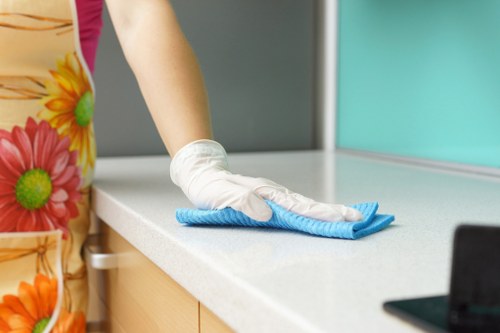 A key part of this policy is the careful control of cleaning products. Only appropriate products are used for the relevant surfaces, and chemicals are stored, labelled, and transported securely. Where stronger agents are required for deep cleaning services, they are handled with extra care to avoid skin irritation, respiratory discomfort, or accidental contact with sensitive materials. Wherever possible, safer alternatives are selected without compromising hygiene standards.
Ventilation is also an important consideration. Many deep cleaning operations involve products or procedures that may release odours or airborne particles. For that reason, windows are opened where practical, extraction is used when available, and rooms are left to air after treatment if necessary. This helps protect both the cleaning team and anyone returning to the space after the work is completed.
Safe manual handling is another essential element of the policy. Equipment, waste, and furniture may need to be moved during a deep clean, and these actions must be carried out without unnecessary strain. Team members are trained to assess weight, plan movement routes, and request assistance where required. Heavy items are not lifted alone when doing so could cause injury, and unsuitable movements are avoided.
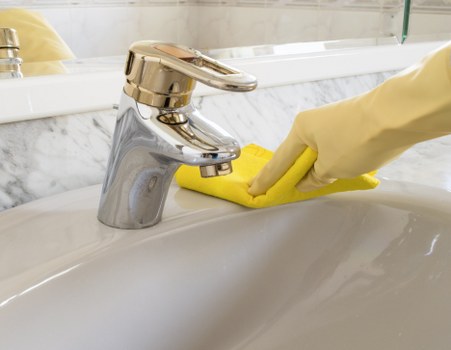 Electrical safety is managed with equal care. Before cleaning begins, appliances, sockets, and cables are checked visually for damage or signs of wear. Water is kept away from electrical installations, and powered equipment is used only in accordance with safe instructions. If a fault or unsafe condition is discovered, work is paused until the issue is addressed. This protects staff and helps ensure that the deep cleaning Clapham process remains controlled and secure.
Hygiene and infection prevention are central to the policy, especially when cleaning kitchens, bathrooms, shared areas, or high-touch surfaces. Colour-coded materials may be used to avoid cross-contamination, and cloths or pads are replaced when they become heavily soiled. Waste is removed promptly and disposed of in a hygienic manner. These steps support effective cleaning while also reducing the spread of germs between areas.
Staff wellbeing is treated as a priority. Work schedules should allow for sensible pacing, adequate breaks, and realistic task allocation. Cleaning in demanding environments can be physically intensive, so fatigue must be monitored and work adjusted when necessary. Team members are encouraged to report concerns early, including discomfort, equipment problems, or situations that may present a safety risk.
Training and communication underpin the success of this policy. All personnel receive instruction in safe cleaning methods, chemical handling, emergency response, and incident reporting. Information is shared clearly before work begins so that responsibilities, access arrangements, and any special precautions are understood. Where a site has specific conditions, those requirements are documented and followed carefully.
Emergency readiness is another important aspect of safe practice. If a spill, injury, breakage, or other incident occurs during deep cleaning in Clapham, the immediate area is made safe and the situation is reported without delay. First aid, evacuation arrangements, and spill control measures are used as appropriate. Rapid action helps limit harm and supports a prompt return to safe working conditions.
Monitoring and review are built into the policy to ensure ongoing improvement. Procedures are checked regularly, and lessons from incidents or near misses are used to strengthen future practice. A strong safety culture depends on continuous attention to detail, responsible behaviour, and a shared commitment to doing the work correctly. By following this policy, deep cleaning Clapham activities can be completed efficiently while maintaining a high standard of protection for people and premises.
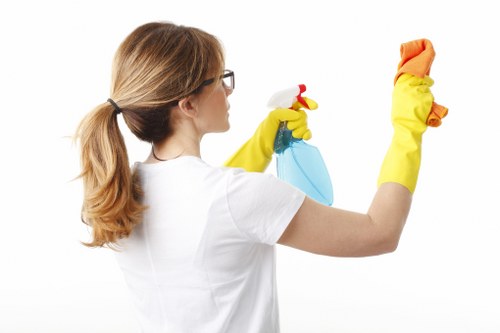 The policy also covers cleaning in occupied premises, where extra care is needed to reduce disruption and protect residents, staff, or visitors. Work areas are managed so that access routes remain clear, warning signs are used when surfaces may be wet, and any hazardous materials are isolated from public use. This helps maintain order and reduces the likelihood of avoidable accidents during a deep cleaning service.
All waste produced during the process is collected, secured, and removed in line with safe hygiene practices. Sharp items, broken materials, and contaminated waste are separated when necessary so they can be handled appropriately. Good waste management supports both safety and cleanliness, while also helping teams maintain an organised workspace throughout the job.
Quality and safety go hand in hand. A thorough deep cleaning policy must not rely on speed alone; it must also ensure that every task is completed in a careful, methodical way. This includes checking final conditions, making sure equipment is packed away safely, and confirming that the treated area is left in a suitable state for normal use. Attention to these details helps prevent accidents after the cleaning work has finished.
 In summary, this health and safety policy for deep cleaning in Clapham is intended to provide a practical framework for safe, effective, and professional cleaning work. Through hazard assessment, suitable equipment, responsible chemical use, clear communication, and ongoing review, the risks associated with deep cleaning can be managed properly. The result is a safer process for everyone involved and a consistently high standard of service delivery.