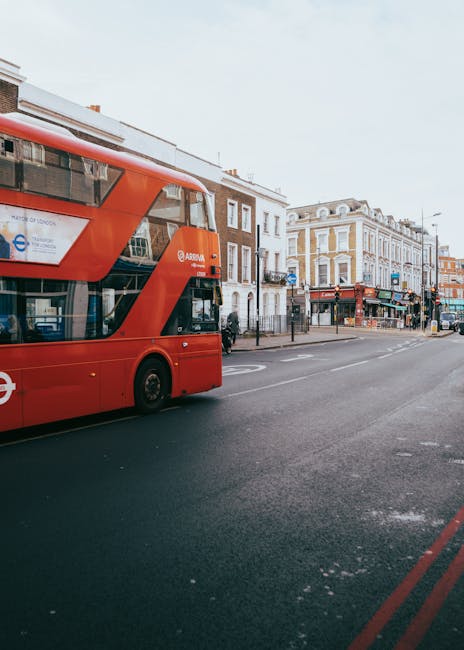
Avoid hidden charges with cleaning in Abbeville Road Clapham
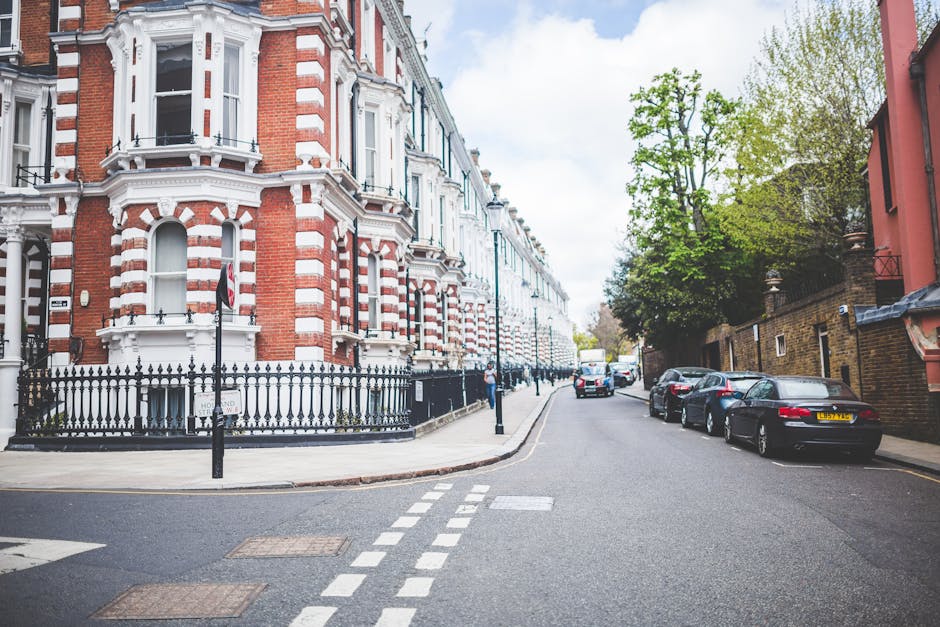
If you have ever booked a cleaner and then watched the final invoice creep upwards, you will know why this topic matters. The phrase Avoid hidden charges with cleaning in Abbeville Road Clapham is really about one thing: making sure the price you agree is the price you actually pay. Not a "starting from" number that quietly grows once the team arrives, opens a cupboard, or spots a bit more dust than expected. In a busy London street like Abbeville Road, where homes, flats, and small businesses all have their own quirks, clear pricing is not a luxury. It is the difference between a smooth booking and a mildly annoying surprise.
This guide walks through how hidden charges happen, how to spot them early, what to ask before you book, and how to compare cleaning quotes in a sensible, no-nonsense way. You will also find a checklist, a comparison table, and a practical example so you can feel confident before you confirm anything.
- Why avoiding hidden charges matters
- How transparent cleaning pricing should work
- Key benefits and practical advantages
- Who this is for and when it makes sense
- Step-by-step guidance
- Expert tips for better results
- Common mistakes to avoid
- Tools, resources and recommendations
- Law, compliance, standards, or best practice
- Options, methods, or comparison table
- Case study or real-world example
- Practical checklist
- Conclusion
- Frequently asked questions
Why Avoid hidden charges with cleaning in Abbeville Road Clapham Matters
Hidden charges are not always dramatic. Sometimes they are small additions: a minimum call-out fee, extra charges for stairs, a parking surcharge, an "access issue" fee, or a separate line item for oven cleaning that you assumed was already included. Other times, the price jumps because the cleaner judged the property to be more complex than expected. The annoying bit is not always the amount; it is the lack of clarity.
On Abbeville Road, properties can vary quite a lot. You might be dealing with a compact flat above a shop, a family home with several carpets and upholstery pieces, or an office space that needs cleaning after hours. Different buildings bring different access, equipment, and time requirements. That is normal. But normal does not mean vague. A clear quote should explain what is included, what is optional, and what might trigger a change.
Why does this matter so much? Because cleaning is one of those services where people often compare only the headline price. Fair enough. But the lowest quote can become the most expensive one once extras are added on. In real life, that is how budgets wobble. If you are arranging a one-off clean before guests arrive, or a deeper reset after building work, certainty matters more than a flashy price tag.
Practical takeaway: the safest quote is not the cheapest one on the page; it is the one that explains its limits clearly before anyone steps through the door.
How Avoid hidden charges with cleaning in Abbeville Road Clapham Works
Transparent cleaning pricing works best when the quote is built from facts, not guesswork. A reputable cleaning company will usually ask about the size of the property, the number of rooms, the type of cleaning required, access details, and any special items such as ovens, rugs, or upholstery. If a company gives a fixed figure without asking anything, that can be fine for simple jobs, but it is worth checking whether the quote is genuinely fixed or only an estimate.
The process should feel straightforward:
- You explain what needs cleaning, and how urgent it is.
- The company checks the relevant details and explains what the service covers.
- Any extras are listed clearly, not buried in small print.
- You receive a quote that shows the likely final cost or the conditions under which it could change.
- You confirm the booking only when the scope makes sense to you.
That last step is the key one. If a cleaner later says, "We assumed that would be separate," the job was not properly scoped. No one enjoys that conversation at 7:30 in the morning when the kettle is on and someone is trying to leave for work.
If you want to compare services properly, look at the wording on pricing and quotes. The best pricing pages do not just talk about affordability; they help you understand how a quote is built. That is a useful sign.
Key Benefits and Practical Advantages
Once you get used to checking the details, the benefits are obvious. First, you reduce the risk of surprise charges. Second, you can compare companies more fairly. Third, you get a better sense of what level of service you are actually paying for. That last point is easy to miss, but it matters. A quote that includes thorough attention to detail may look higher at first glance, yet it can save time and frustration later.
There is also a trust benefit. Clean pricing tells you something about how the company works. If a provider is comfortable explaining their scope, exclusions, and payment terms, they are usually more organised in the job itself. In our experience, that is often reflected in the little things: arriving on time, bringing the right equipment, and not turning a simple query into a mystery.
Other practical advantages include:
- easier budgeting for landlords, tenants, and homeowners
- fewer disputes at the end of the clean
- better planning for add-on services such as carpet cleaning or oven cleaning
- clearer expectations for recurring and one-off work
- less stress if the property has awkward access, parking, or time constraints
To be fair, nobody wants to spend ages decoding a cleaning invoice. People want a clean home or workplace, a fair price, and the simple satisfaction of seeing the place properly sorted. Reasonable ask, really.
Who This Is For and When It Makes Sense
This topic matters for more people than you might think. If you live on Abbeville Road or nearby streets in Clapham and are booking a cleaner for the first time, the risk of missing a charge is higher simply because you may not know how cleaning services are usually priced. If you have used cleaners before, you may still benefit from a tighter quote if your property has changed, because a different size, layout, or service combination can alter the final cost.
It is especially useful for:
- homeowners wanting a one-off reset
- renters arranging an end of tenancy clean
- landlords and letting agents needing predictable invoices
- small businesses comparing office cleaning options
- anyone booking specialist services like deep cleaning, after builders cleaning, or window cleaning
It also makes sense if you are trying to choose between a standard clean and a more detailed service. Sometimes the cheapest route is a basic visit now and a separate specialist clean later. Other times, bundling a few jobs together is better value. There is no one-size-fits-all answer. That is why clarity matters.
Step-by-Step Guidance
If you want to avoid hidden charges, use a methodical approach. Nothing fancy. Just a few checks done in the right order.
1. Describe the job properly
Start with the basics: property type, room count, approximate size, and the exact cleaning tasks you want. If you need carpets, sofas, rugs, or an oven cleaned, say so upfront. Vagueness is where surprise charges like to hide.
2. Ask what is included
Do not assume standard meanings match yours. One company's "kitchen clean" may mean surfaces and floors; another may include inside cabinets, extractor areas, and appliance fronts. Ask for a plain-language explanation. If the answer is woolly, that is useful information too.
3. Check for exclusions and extras
Look for things such as parking fees, congestion-related costs, minimum charges, stain treatment, waste removal, or late access surcharges. These are not automatically bad. They just need to be visible before you book.
4. Confirm whether the quote is fixed or estimated
A fixed quote should stay fixed if the job matches the description. An estimate can change if the actual work differs. Both can be legitimate, but they are not the same thing. If a provider uses the word "estimate," ask what could alter it.
5. Ask about timing and access
Some charges are driven by time, especially if the team is waiting around because of access issues. Make sure someone is available to let them in, and check whether keys, concierge access, or parking arrangements affect the price.
6. Keep the agreement in writing
An email confirmation is enough in many cases. You want the scope, price, date, and any extras written down. It saves awkwardness later. Human memory is a funny thing, especially when two people remember the same conversation differently.
7. Review the terms before paying a deposit
If the company asks for upfront payment, use the time to review the terms and conditions and the payment and security page. That tells you how payments are handled and what happens if the job changes.
Expert Tips for Better Results
Little things make a big difference here. The most reliable quotes usually come from the most precise brief. That sounds obvious, but plenty of people skip the details and then wonder why the price changed. In practice, the cleaner is only as informed as the information they are given.
Here are some habits that help:
- Be specific about surfaces. A carpeted flat and a hard-floor flat can require very different equipment and time.
- Mention problem areas. Heavy limescale, pet hair, grease build-up, or post-renovation dust can all affect the work.
- Separate must-have tasks from nice-to-have extras. That way you can trim the scope if needed without losing the essentials.
- Ask for add-on pricing before the visit. If you might later want upholstery or rug work, get those figures early.
- Check whether the company carries suitable insurance and follows clear safety practices. That does not guarantee perfection, but it does show a sensible level of professionalism.
You may also want to choose a company that explains its broader standards clearly. Pages such as insurance and safety and health and safety policy can be reassuring because they show how the business thinks about risk, equipment, and people on site.
And one more thing: if the quote feels too good to be true, pause. Not because every low price is a trap, but because the hidden cost often appears at the point where you are least in the mood to negotiate.
Common Mistakes to Avoid
Most hidden-charge problems come from a small number of avoidable mistakes. Once you know them, they become much easier to sidestep.
- Comparing only the headline price. A low opening figure can hide add-ons that make the final bill much higher.
- Assuming every company includes the same tasks. Cleaning labels are not universal. "Deep clean" in one quote may not match another.
- Forgetting access costs. Parking, entry, or key collection can matter, especially in busier parts of Clapham.
- Not mentioning special items. Sofas, mattresses, rugs, ovens, and hard floors can all bring separate pricing.
- Failing to ask about VAT. If it applies, it should be clear in the quote.
- Leaving everything verbal. A quick phone call is fine to begin with, but get the summary in writing.
Another classic one: people assume a cleaning company will "just know" what they mean by a freshen-up or a full reset. Maybe they will. Maybe they won't. Better not to gamble with your Saturday morning.
Tools, Resources and Recommendations
You do not need specialist software to avoid hidden charges, but a few simple tools help. A notes app on your phone is often enough. Keep a list of rooms, items, and any awkward details. If you are comparing several quotes, make a tiny table for yourself. Old school, but effective.
Recommended things to have ready before you request a quote:
- rough property size and room count
- photos of any problem areas
- a list of extra items to be cleaned
- preferred timing and access details
- your budget range, if you have one
On the company side, helpful pages to review include about us for business background, pricing and quotes for how pricing is presented, and contact us if you want to ask a direct question before booking. That final step is underrated. A five-minute clarification can save a lot of hassle.
If sustainability matters to you, you may also appreciate a company's approach to materials and disposal. The recycling and sustainability page is worth reading if you want a sense of how waste and product use are handled. It is not about paying more; it is about knowing what kind of operation you are dealing with.
Law, Compliance, Standards, or Best Practice
This is not a legal deep dive, and it would be unhelpful to pretend otherwise. Still, there are a few sensible UK best-practice ideas worth keeping in mind. In general, service pricing should be communicated clearly enough that a customer understands what they are agreeing to. If terms are used, they should be visible and not hidden away in a confusing maze of wording.
For cleaning services, good practice usually means:
- clear scope and exclusions
- transparent payment terms
- reasonable notice of any extra charges
- safe working methods and appropriate equipment
- respect for customer property and access arrangements
It is also smart to check that the company has a sensible complaints process. If something does go wrong, you want a straightforward way to raise it and have it handled properly. A clear complaints procedure is one of those unglamorous but reassuring signs.
Privacy matters too, particularly if you are sharing contact details, access notes, or property information. Reading the privacy policy and cookie policy is never thrilling, I know, but it does help you understand how your information is handled. A bit dry. Still useful.
Options, Methods, or Comparison Table
When trying to avoid hidden charges, the real comparison is not just one company versus another. It is also fixed price versus estimate, basic clean versus specialist clean, and bundled services versus separate bookings.
| Option | Best for | Possible risk | What to check |
|---|---|---|---|
| Fixed quote | Clear, well-defined jobs | May exclude extras you assumed were included | Scope, exclusions, add-ons |
| Estimated quote | Jobs with unknowns or variable condition | Final price may rise | What changes the estimate |
| Bundled service | Homes needing multiple tasks | Can look cheaper than it is if items are not listed clearly | Itemised breakdown |
| Separate specialist services | Ovens, carpets, upholstery, rugs | More admin and possible duplicate call-out costs | Whether a combined visit saves money |
If your job includes specialist tasks, the comparison gets even more useful. For example, you may be deciding between a general clean plus a dedicated oven cleaner, or a broader service that includes upholstery cleaning and rug cleaning. The best choice is not always the cheapest line item. It is the one that gives you the least friction for the job you actually need done.
Case Study or Real-World Example
Here is a very typical scenario from a Clapham-style booking. A resident in a two-bedroom flat off Abbeville Road wants a one-off clean before a family visit. The first quote looks attractive, but it only covers general dusting, vacuuming, and bathroom wipe-downs. The resident also needs inside oven cleaning, a fabric sofa freshen-up, and a couple of rugs dealt with because the place has collected the usual winter wear. Nothing dramatic. Just normal life.
If they had booked on the headline price alone, the final bill would probably have grown with each add-on. Instead, they send a detailed list, ask for a written breakdown, and confirm the scope before the visit. The revised quote is higher, yes, but it is honest. No awkward changes on the day. No "that'll be extra" conversation while everyone is standing in the hallway with coats on.
The useful lesson is simple: transparent pricing may not always be the lowest number, but it is often the cheapest way to buy peace of mind. And truth be told, that matters a lot when you are juggling keys, timing, and a busy household.
Practical Checklist
Use this before you confirm any cleaning booking in Abbeville Road Clapham.
- Have I described the property and cleaning tasks clearly?
- Do I know whether the quote is fixed or estimated?
- Are parking, access, and waiting time addressed?
- Have I asked about extras such as carpets, ovens, rugs, or upholstery?
- Is VAT included or clearly explained if applicable?
- Do I have the price and scope in writing?
- Have I read the key terms and payment details?
- Do I understand what would cause the final price to change?
- Have I checked the company's approach to insurance and safety?
- Do I know who to contact if something needs clarifying?
If you can tick most of those off, you are in a good place. Not perfect, perhaps, but good enough to avoid most of the common traps.
Conclusion
Hidden charges are rarely mysterious. More often than not, they appear when the scope is vague, the exclusions are unstated, or everyone assumes the other person means the same thing. The good news is that you can avoid most of that with a few simple habits: be specific, ask about extras, read the terms, and keep the agreement in writing. That is really the heart of Avoid hidden charges with cleaning in Abbeville Road Clapham.
Whether you are booking a one-off clean, a deeper refresh, or a more specialist service, clarity makes the whole thing calmer. You get a fairer comparison, a more accurate quote, and far less stress when the team finishes up and the place finally looks right. Which, let's face it, is the whole point.
Get a free quote today and see how much you can save.
When you choose transparency first, you are not just saving money; you are buying certainty, and that feels pretty good.
Frequently Asked Questions
What counts as a hidden charge in cleaning?
A hidden charge is any cost that was not made clear before you booked. It might be a parking fee, an access surcharge, an extra rate for certain rooms or items, or a charge for work you assumed was included.
How can I tell if a cleaning quote is genuine?
A genuine quote usually explains what is included, what is excluded, and whether it is fixed or estimated. If a company asks the right questions before pricing, that is usually a better sign than a vague one-line figure.
Should I always choose the cheapest cleaning quote?
Not necessarily. The cheapest quote can be the most expensive once extras are added. It is often smarter to compare the scope, terms, and exclusions rather than the headline price alone.
What should I ask before booking a cleaner in Abbeville Road Clapham?
Ask what the price includes, whether there are extra charges, whether parking or access affects the price, and whether the quote is fixed. If you need carpets, ovens, rugs, or upholstery cleaned, mention that upfront.
Are fixed quotes better than estimates?
For straightforward jobs, fixed quotes are usually easier to manage. Estimates can still be useful if the job is variable, but you should ask what might cause the final price to change.
Do cleaners charge more for stairs or awkward access?
Sometimes, yes. That depends on the company and the building. Stair-heavy access, limited parking, or difficult entry can affect time and equipment use, so it is best to ask in advance.
Can I avoid hidden charges by sending photos?
Yes, photos can help a lot. They give the cleaner a better sense of the property condition and any problem areas, which makes pricing more accurate and reduces the chance of surprises later.
Is oven cleaning usually included in a general clean?
Not always. Oven cleaning is often treated as a separate task, so it should be confirmed specifically. If it matters to you, do not assume it is covered by default.
What if the cleaning company changes the price on arrival?
Ask them to explain why and compare that reason with the written quote. If the actual job matches what was described, the price should normally align with the original agreement. Keep all communication clear and polite.
Why does cleaning pricing vary so much in London?
Property type, access, parking, service level, and task complexity all affect pricing. In a place like Clapham, one home may need a simple tidy-up while another needs a far more detailed clean, so the difference can be real.
Should I read the terms and conditions before paying?
Yes. It is worth checking payment terms, cancellation conditions, and what happens if the scope changes. It is not the most exciting five minutes of your day, but it can save trouble later.
What is the best way to compare cleaning companies fairly?
Use the same brief for each quote request and compare like for like. Check what is included, whether the quote is fixed, and whether the company explains additional charges clearly. That is the fairest way to compare and the least likely to mislead you.